570-250-8076
570-250-8076

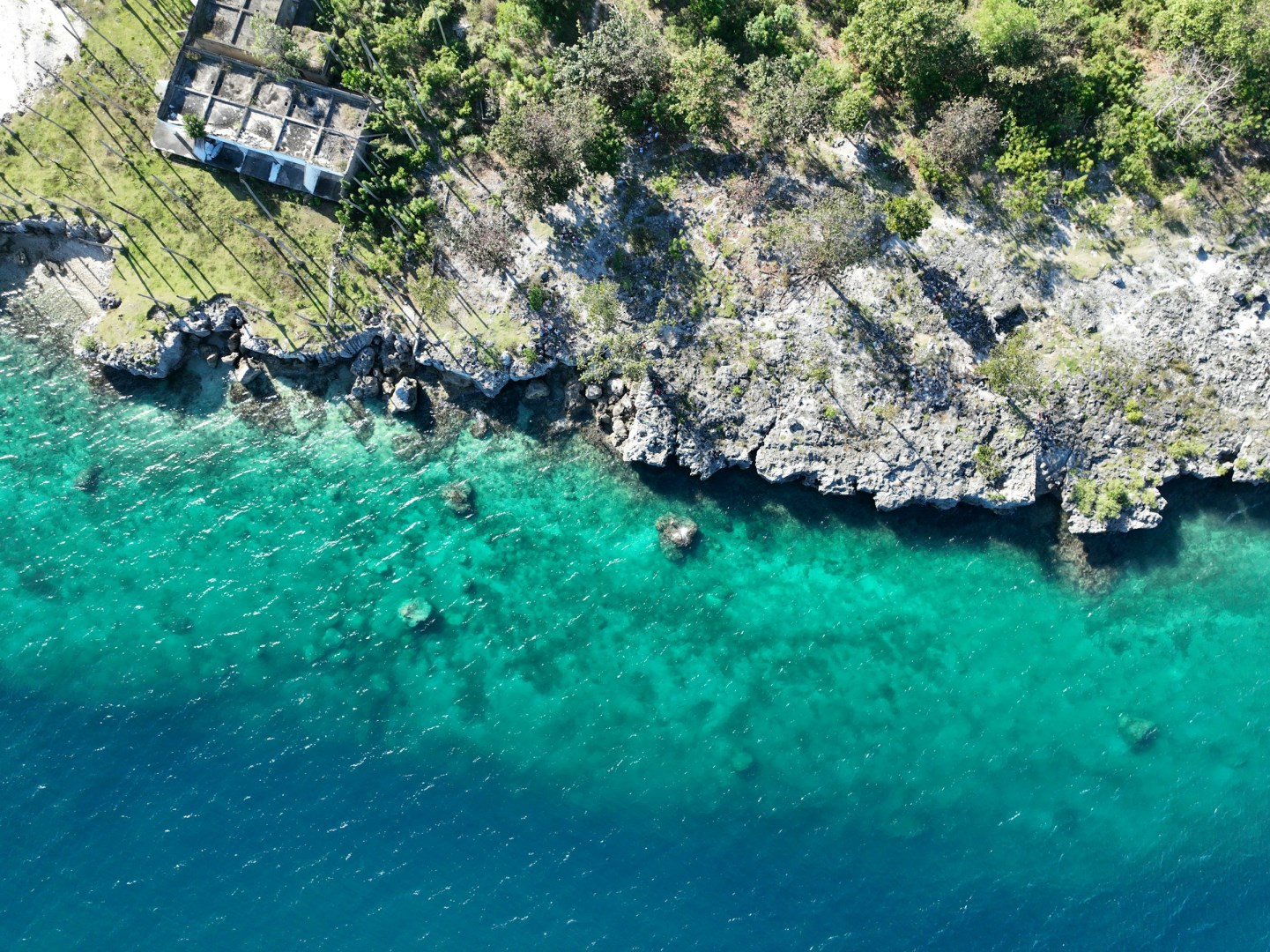
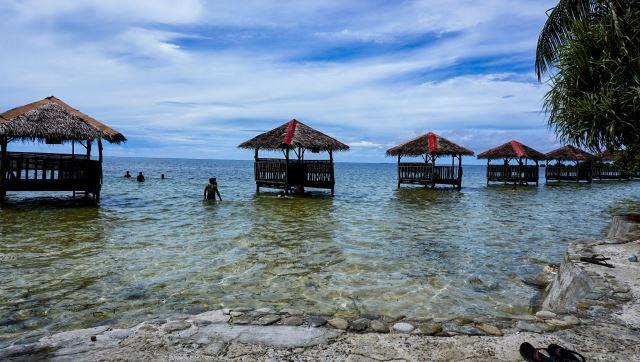
Lapu-Lapu City occupies much of Mactan Island in Cebu Province, Philippines, and is connected to Cebu City and the mainland by bridges across the Mactan Channel. The city combines a busy urban environment with beaches, resorts, coastal communities, and a major international airport. Mactan Island is also known for its coral-rich waters and long association with fishing and maritime trade. The coastline includes developed resort areas as well as smaller communities, while the city's location near Cebu's main urban center makes it an important gateway to the central Visayas.
Lapu-Lapu City has a strong connection with Philippine history through the figure of Lapulapu, a local leader associated with Mactan's resistance to the Spanish expedition led by Ferdinand Magellan. The Battle of Mactan is commemorated at the Mactan Shrine, where monuments to Lapulapu and Magellan stand near the historic battle site. The city also reflects Cebuano cultural traditions through local festivals, food, music, and religious practices. Kadaugan sa Mactan is a major annual cultural celebration that commemorates the Mactan victory and highlights local performances and historical traditions.
Mactan Shrine is one of the city's principal landmarks, while the nearby Mactan Island Aquarium provides information about marine life found around the Visayan region. The city's coastline includes numerous beaches and resort facilities, with waters suitable for swimming, snorkeling, diving, and other marine activities. Olango Island Wildlife Sanctuary, located just offshore from Mactan, protects important coastal wetlands used by migratory birds. The surrounding marine environment includes coral reefs and seagrass habitats, while island-hopping trips provide access to smaller islands and coastal areas around the Mactan Channel.
Seafood is an important part of Lapu-Lapu City's food culture, with fish, shellfish, squid, and other marine products widely available in local restaurants and markets. The city is also closely associated with grilled seafood and Filipino dishes such as kinilaw, a preparation of fresh seafood cured in vinegar and mixed with local ingredients. The name lapu-lapu is also used for grouper, a popular fish in Philippine cuisine, although the city's name refers to the historical figure Lapulapu. Local markets and waterfront restaurants provide a direct connection between the city's coastal setting and its everyday food traditions.