
570-250-8076
570-250-8076

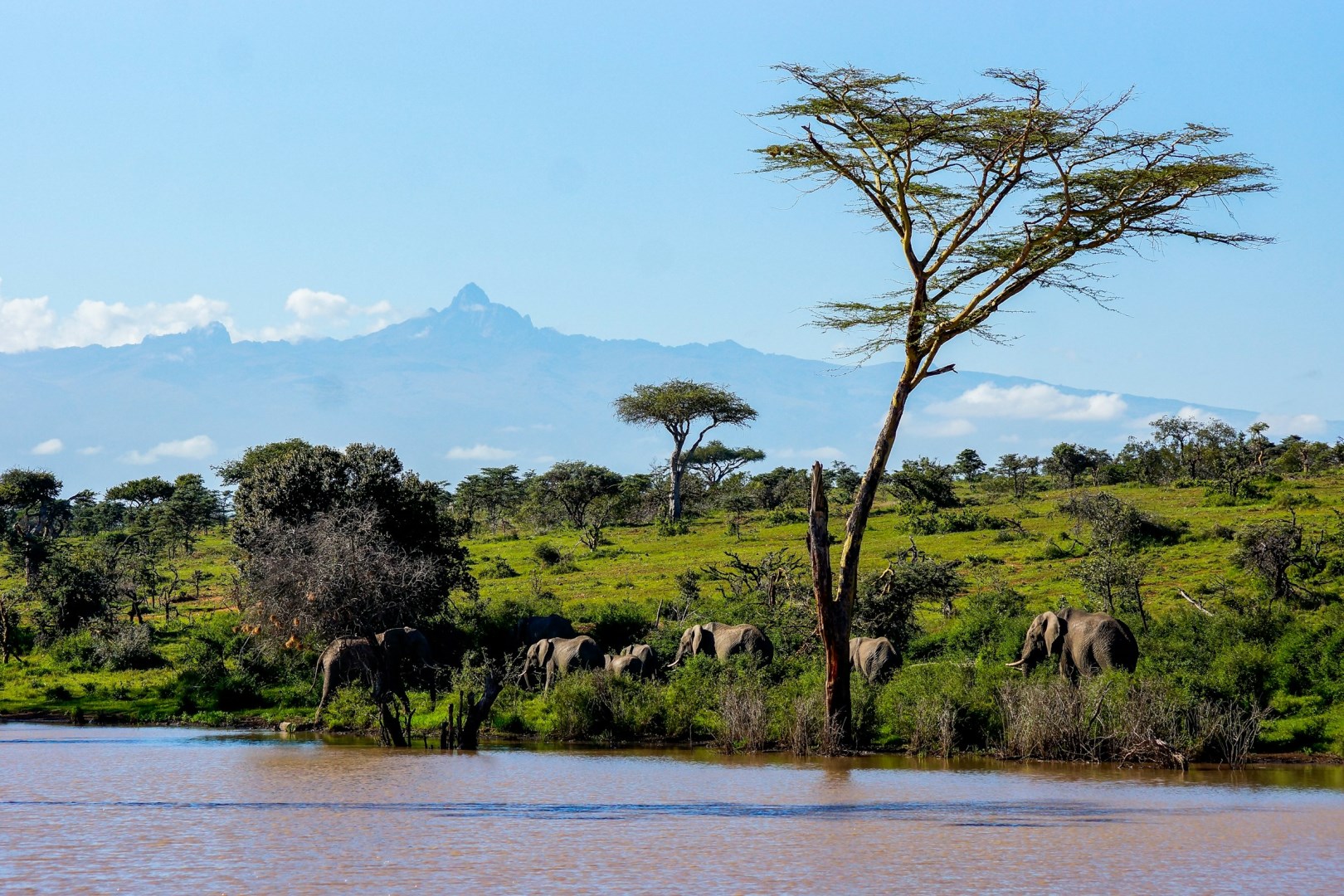
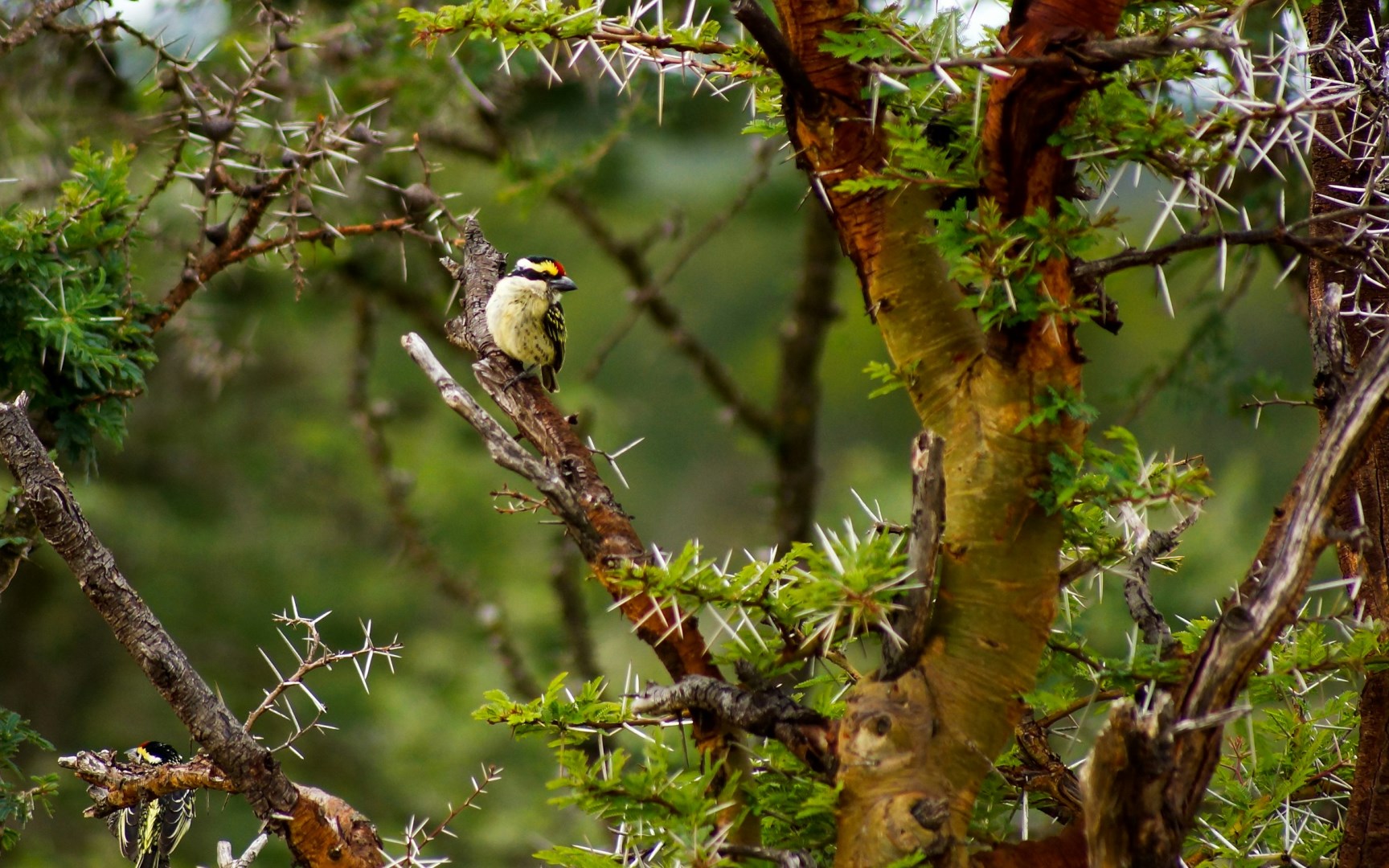
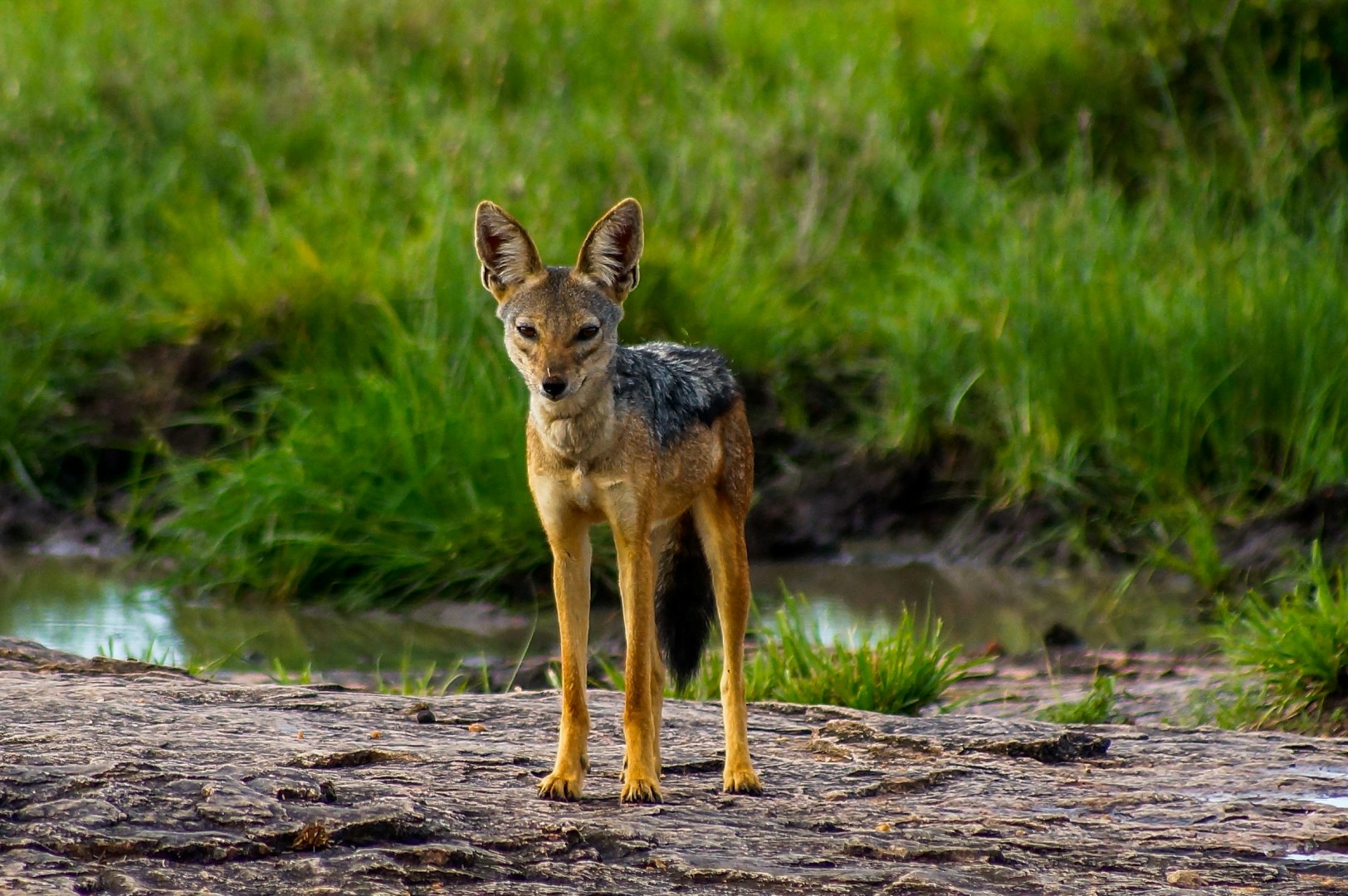
Laikipia Plateau is a highland region in central Kenya, lying between Mount Kenya and the northern Kenyan lowlands. Its broad grasslands, acacia woodland, rocky valleys, and volcanic soils create a varied landscape shaped by seasonal rainfall and altitude. Rather than being a single protected park, Laikipia is a mosaic of private conservancies, community lands, ranches, and farms. This mixed land-use model has made the plateau an important area for wildlife conservation while also supporting pastoralism, agriculture, and other livelihoods.
The cultural landscape of Laikipia reflects the traditions of several communities, including Maasai, Samburu, Kikuyu, and other groups living across the plateau and its surrounding areas. Pastoralism remains an important way of life in parts of the region, particularly where cattle and other livestock are grazed across communal and conservancy lands. Many conservation areas work with local communities through grazing agreements, employment, education, and wildlife programs. This approach has helped create a landscape where traditional livestock practices and wildlife conservation can operate alongside one another.
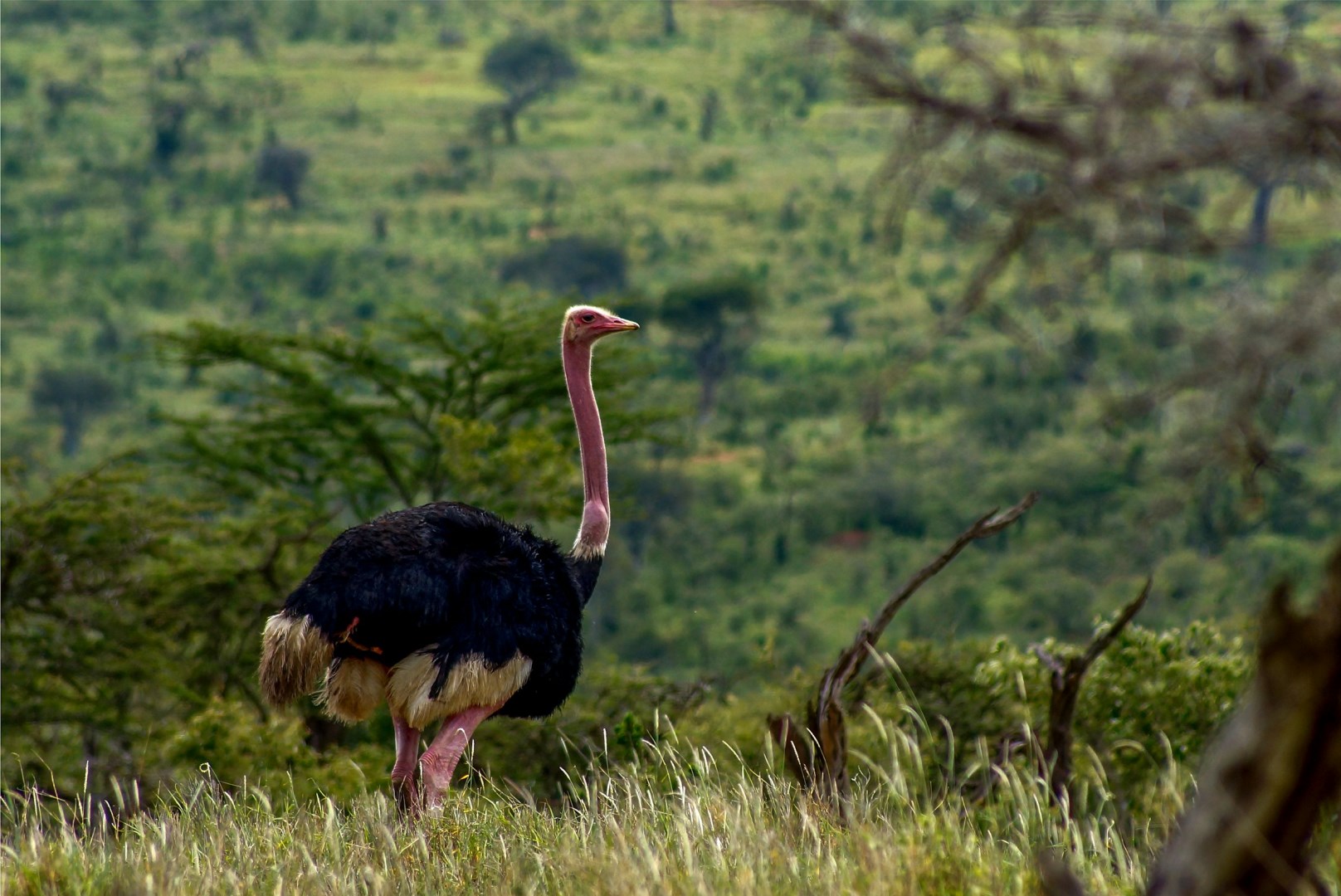
Laikipia is one of Kenya’s important wildlife areas outside the country’s major national parks. The plateau supports elephants, lions, leopards, cheetahs, buffalo, giraffes, zebras, and numerous antelope species. It is also one of the most important remaining strongholds for the endangered black rhinoceros and the critically endangered Grevy’s zebra. Several conservancies provide protected habitat and wildlife corridors across the region. The landscape offers views toward Mount Kenya, while rivers and wooded valleys create important habitats within the otherwise open plateau.
Laikipia’s distinctive character comes from the way conservation, ranching, agriculture, and community land use overlap across the region. Northern areas become increasingly dry, while parts of the plateau receive enough rainfall to support farms and extensive grazing. The region also contains important populations of rare wildlife, making it significant for conservation research and habitat management. Local tourism commonly focuses on wildlife viewing, walking, horseback excursions, and community experiences, allowing visitors to encounter a landscape where Kenya’s pastoral traditions and modern conservation initiatives are closely connected.

