570-250-8076
570-250-8076

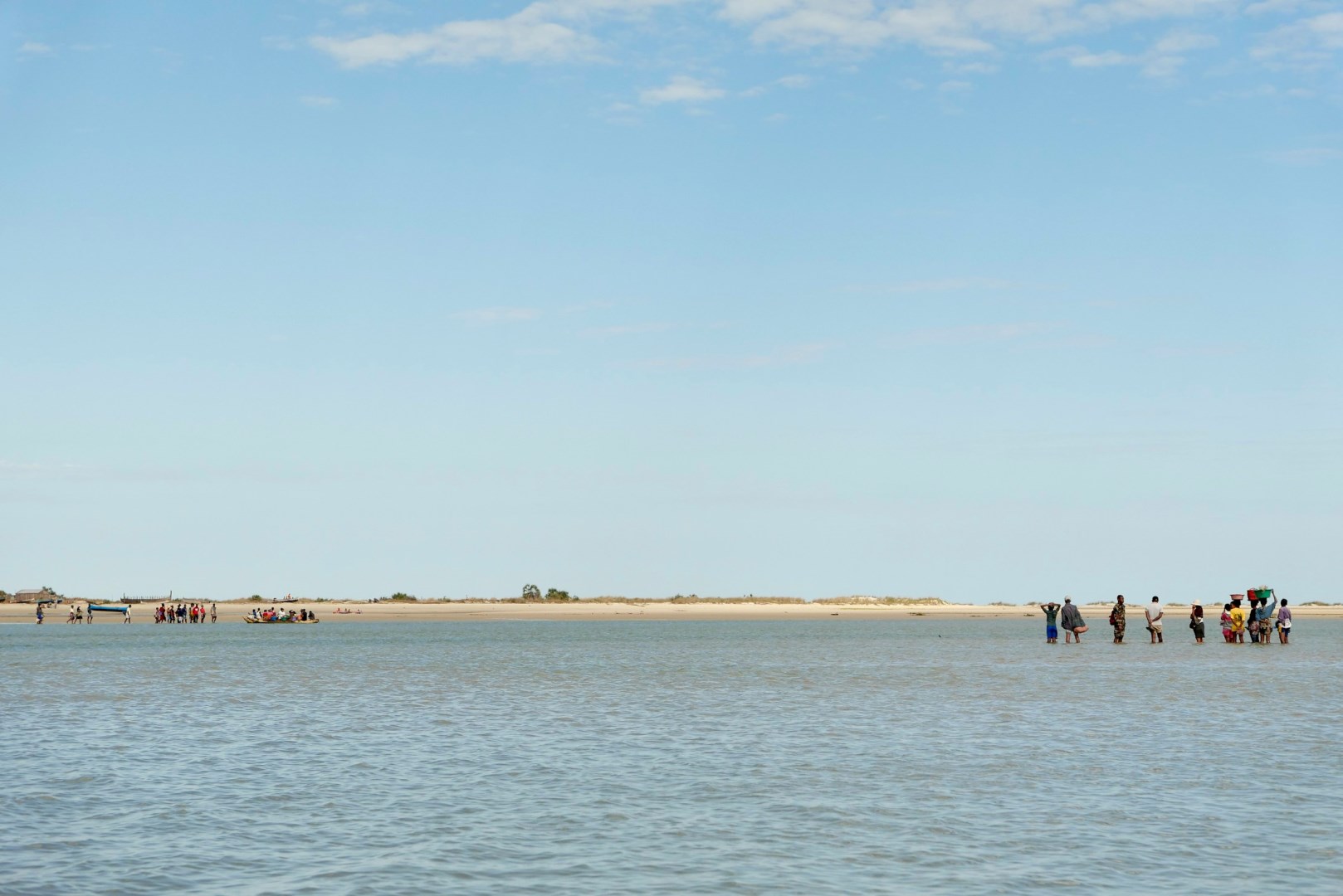
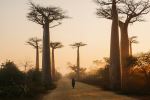
Morondava is a coastal town in western Madagascar and the capital of the Menabe region. Located along the Mozambique Channel, it serves as a base for exploring the dry landscapes and wildlife of western Madagascar. The town is closely associated with the Avenue of the Baobabs, one of the country’s best-known natural landmarks, and with the dry forests around Kirindy. Morondava’s setting is shaped by sandy coastal areas, river systems, dry woodland, and open plains. Fishing remains important to local livelihoods, with traditional boats and outrigger canoes commonly seen along the coast.
Morondava is strongly connected with the Sakalava people, whose cultural traditions remain an important part of life in the Menabe region. Local communities have long relied on fishing, livestock keeping, farming, and trade, adapting their activities to the dry western climate. Sakalava cultural practices include distinctive music, dance, ceremonies, and forms of funerary art. Around Morondava, traditional tombs can feature carved wooden posts known as aloalo, which are associated with Sakalava burial traditions. The town and surrounding villages therefore provide an important setting for understanding the cultural identity of western Madagascar.
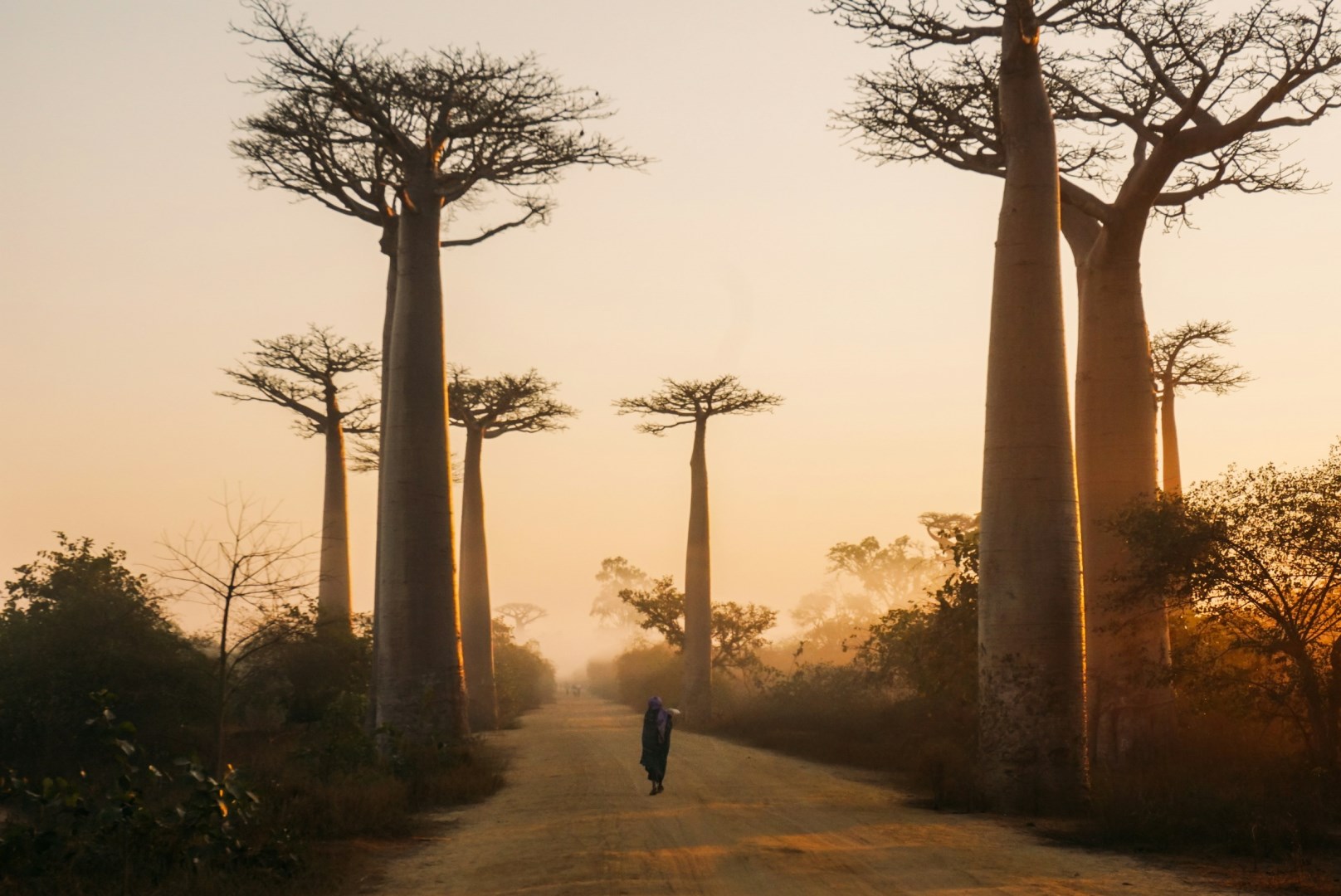
The Avenue of the Baobabs lies roughly 20 kilometers northeast of Morondava and is its most recognizable landmark. The dirt road is lined with Grandidier’s baobabs, a species native to Madagascar, whose tall trunks rise above the surrounding dry plain. Nearby Kirindy Forest protects dry deciduous woodland that provides habitat for lemurs, birds, reptiles, and the fossa, Madagascar’s largest native carnivore. Farther south, Kirindy Mitea National Park contains dry forests, savannas, mangroves, coastal dunes, lakes, and marine habitats, showing the ecological variety of the wider Menabe landscape.
Morondava’s coastal setting also influences its food and daily life, with fish and other seafood featuring prominently in local cooking. Rice remains a central part of Malagasy meals and is commonly served with vegetables, meat, or fish. The surrounding countryside is known for its zebu cattle, while traditional wooden canoes remain an important part of coastal transport and fishing. Morondava also provides access to Belo-sur-Mer, a fishing community known for boatbuilding, and serves as a starting point for journeys toward the Tsingy de Bemaraha, a protected landscape of sharply eroded limestone formations farther north.