
570-250-8076
570-250-8076

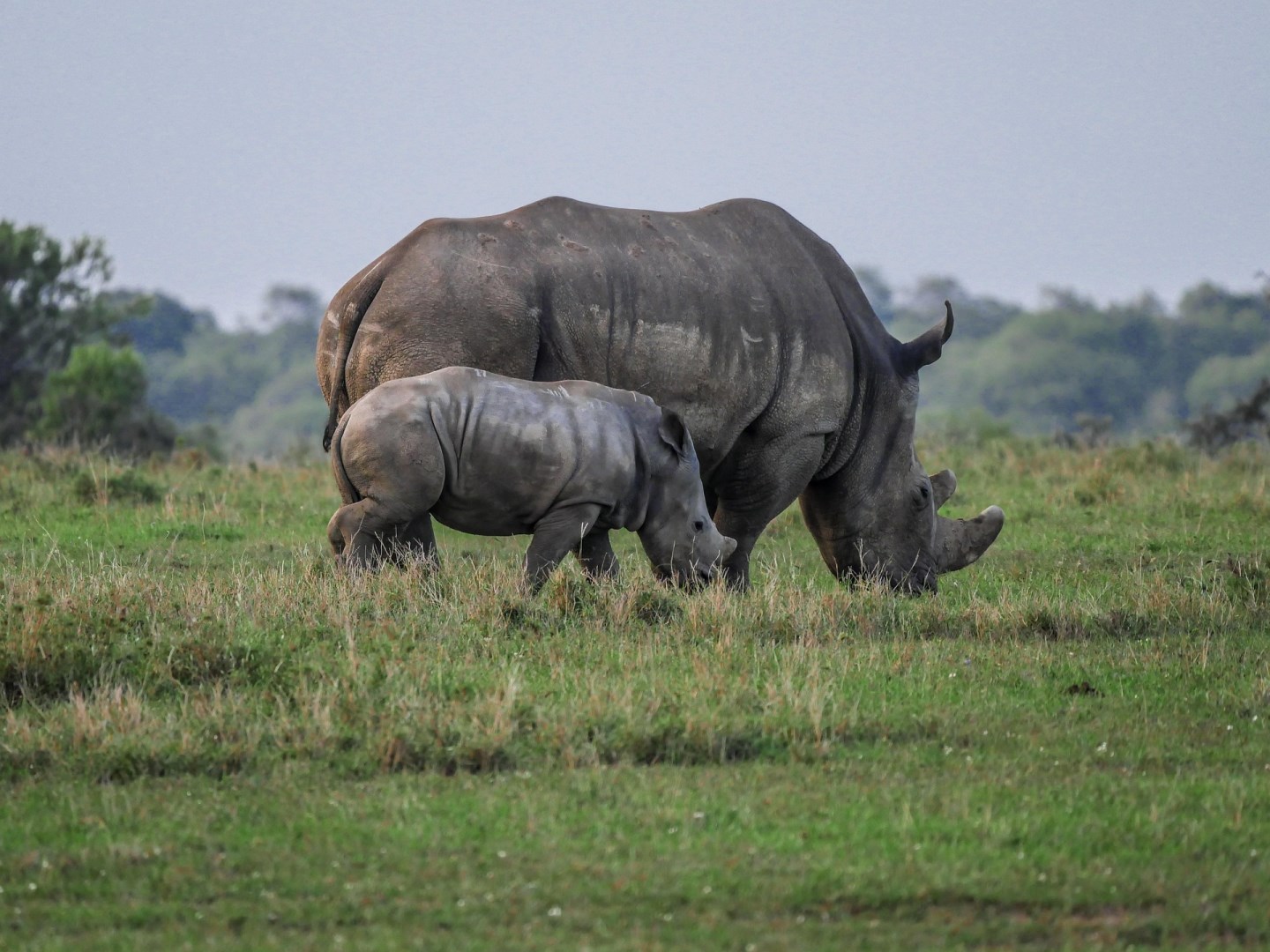
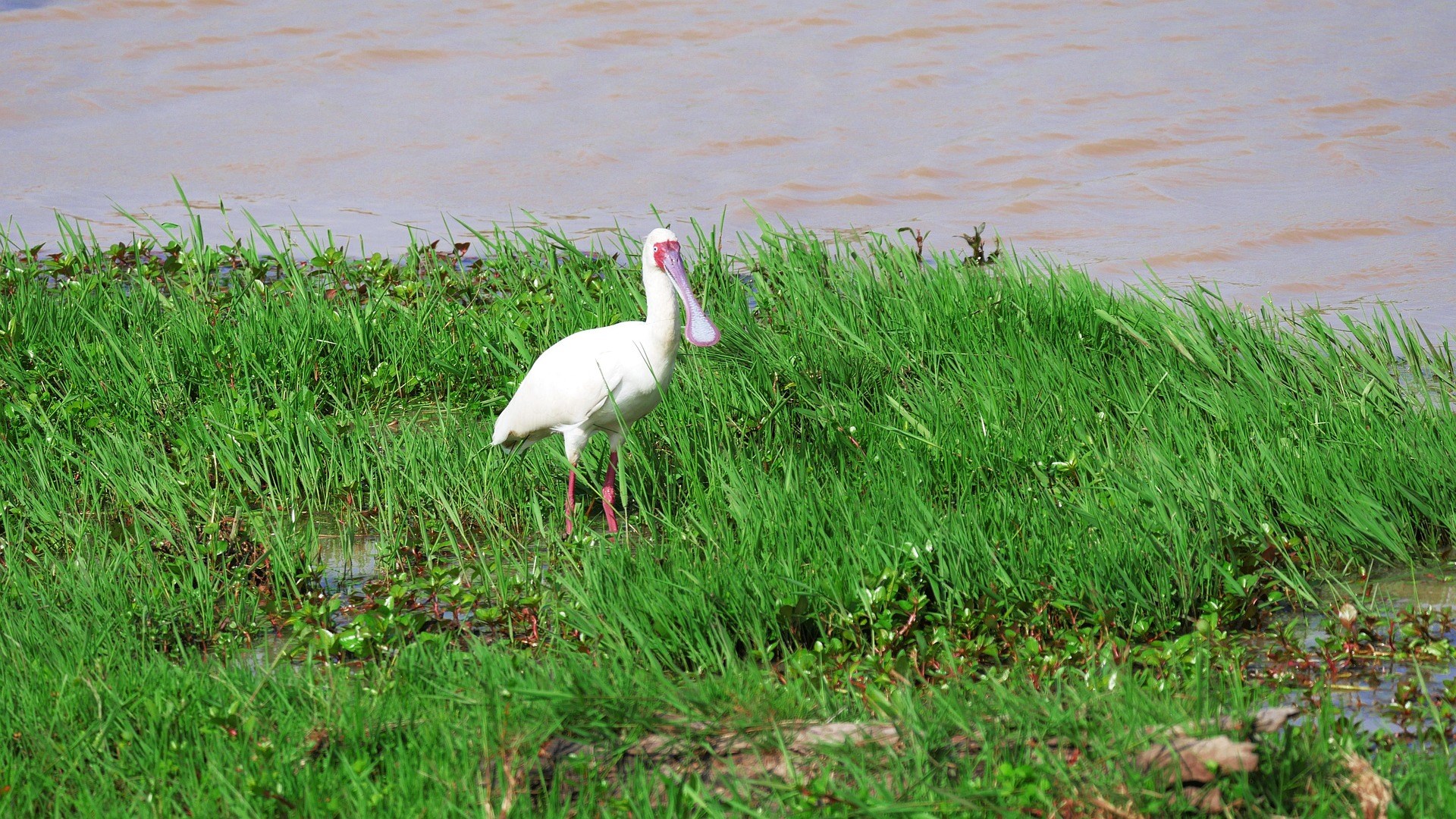
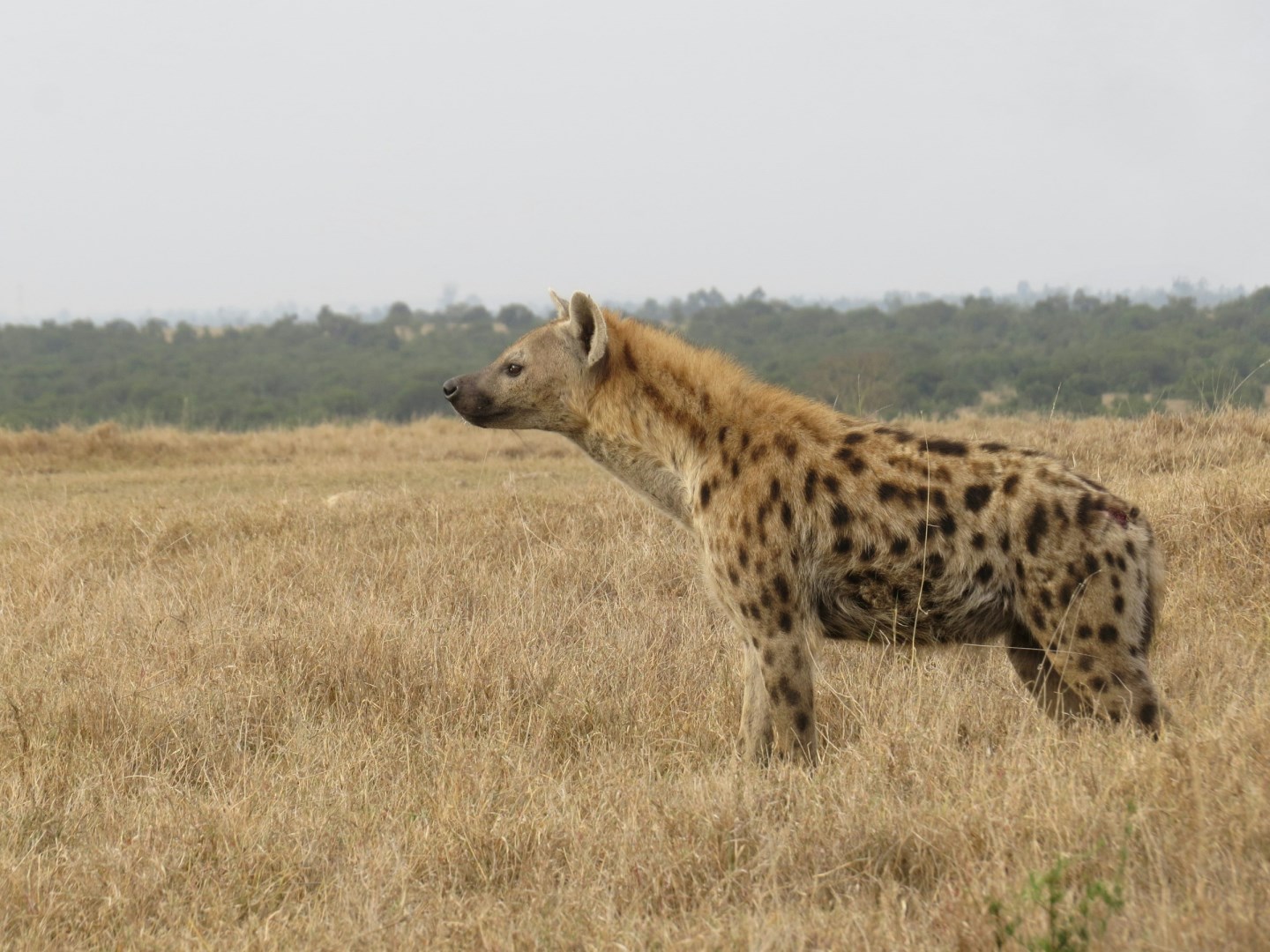
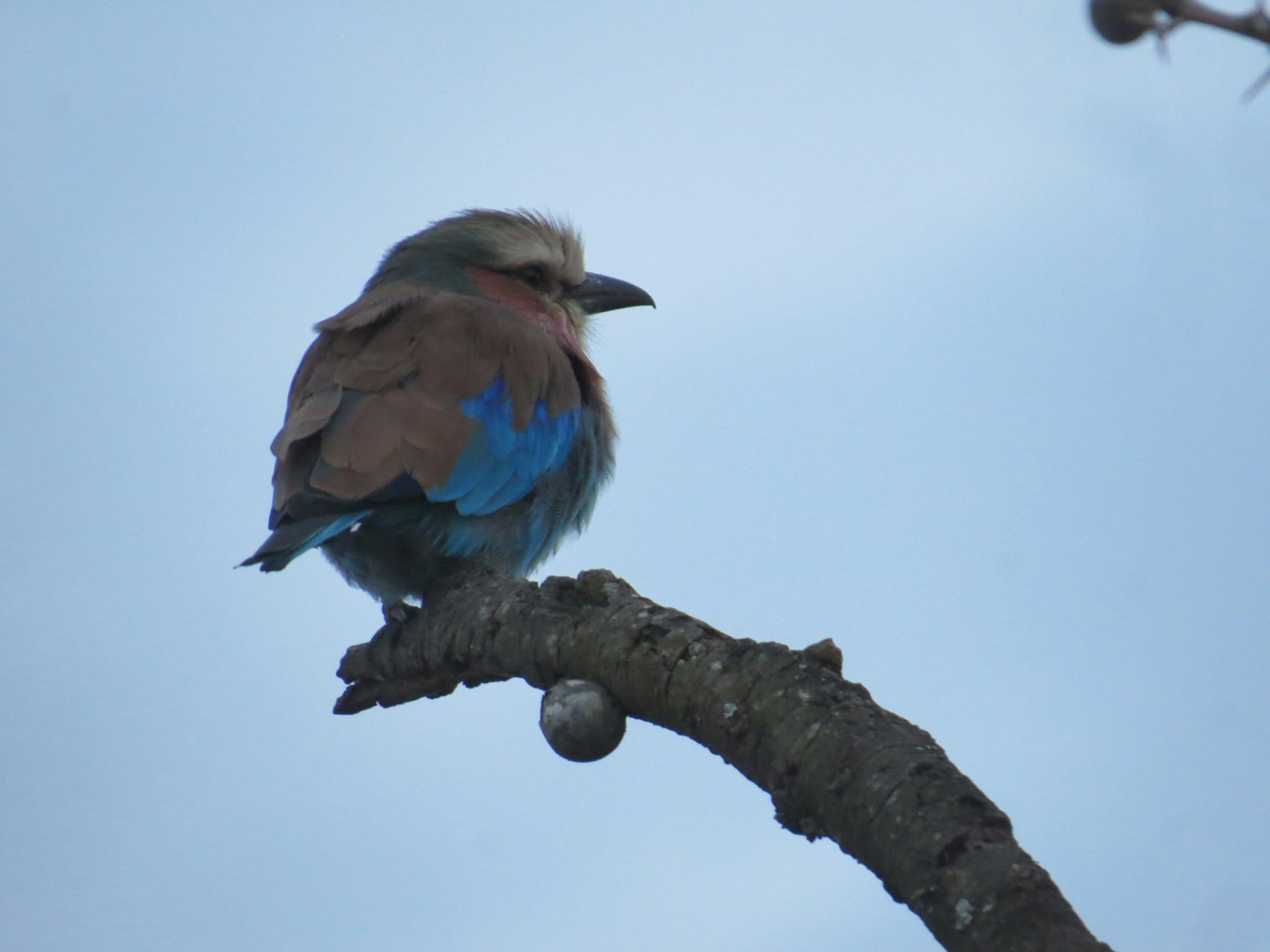
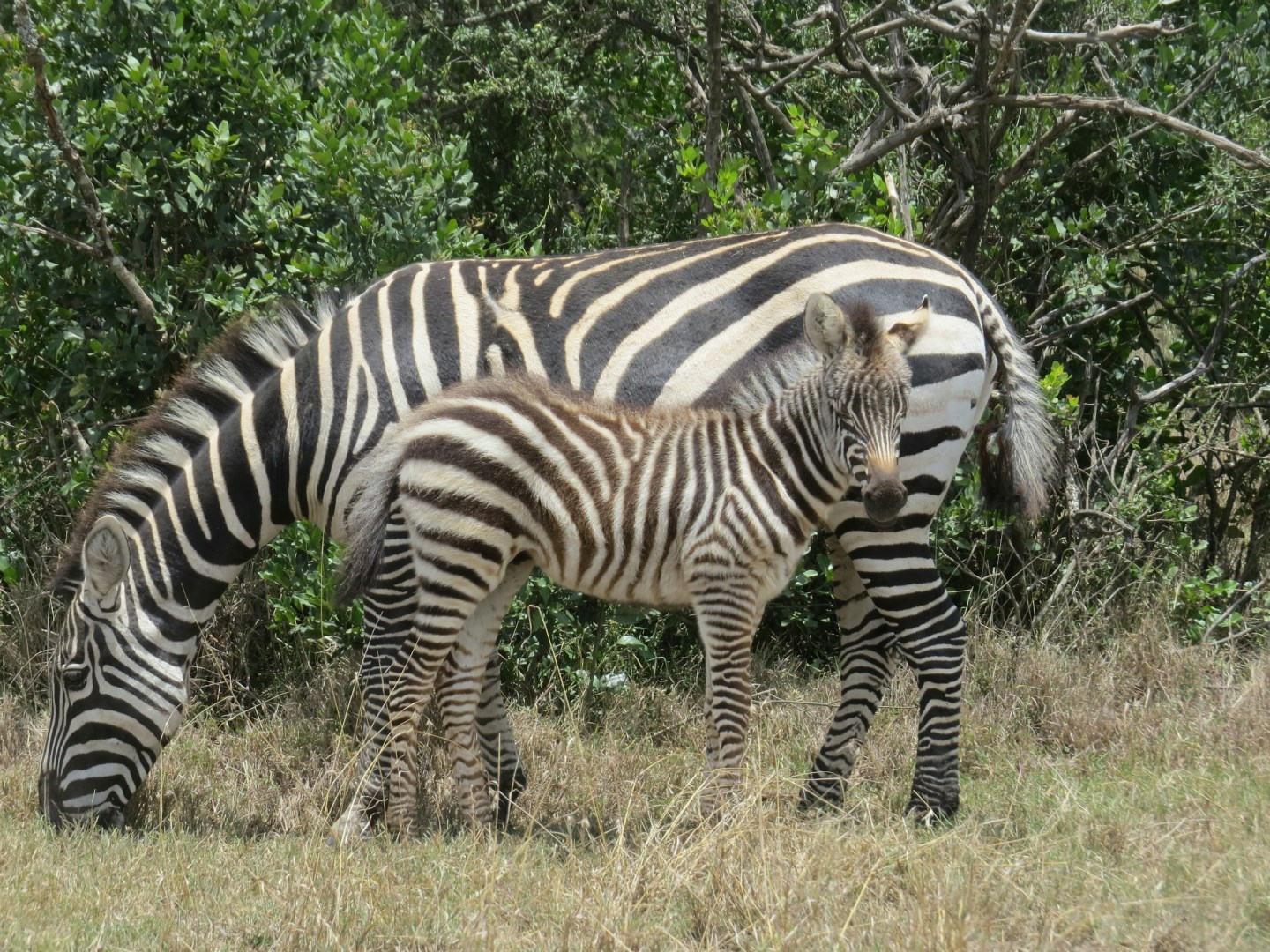
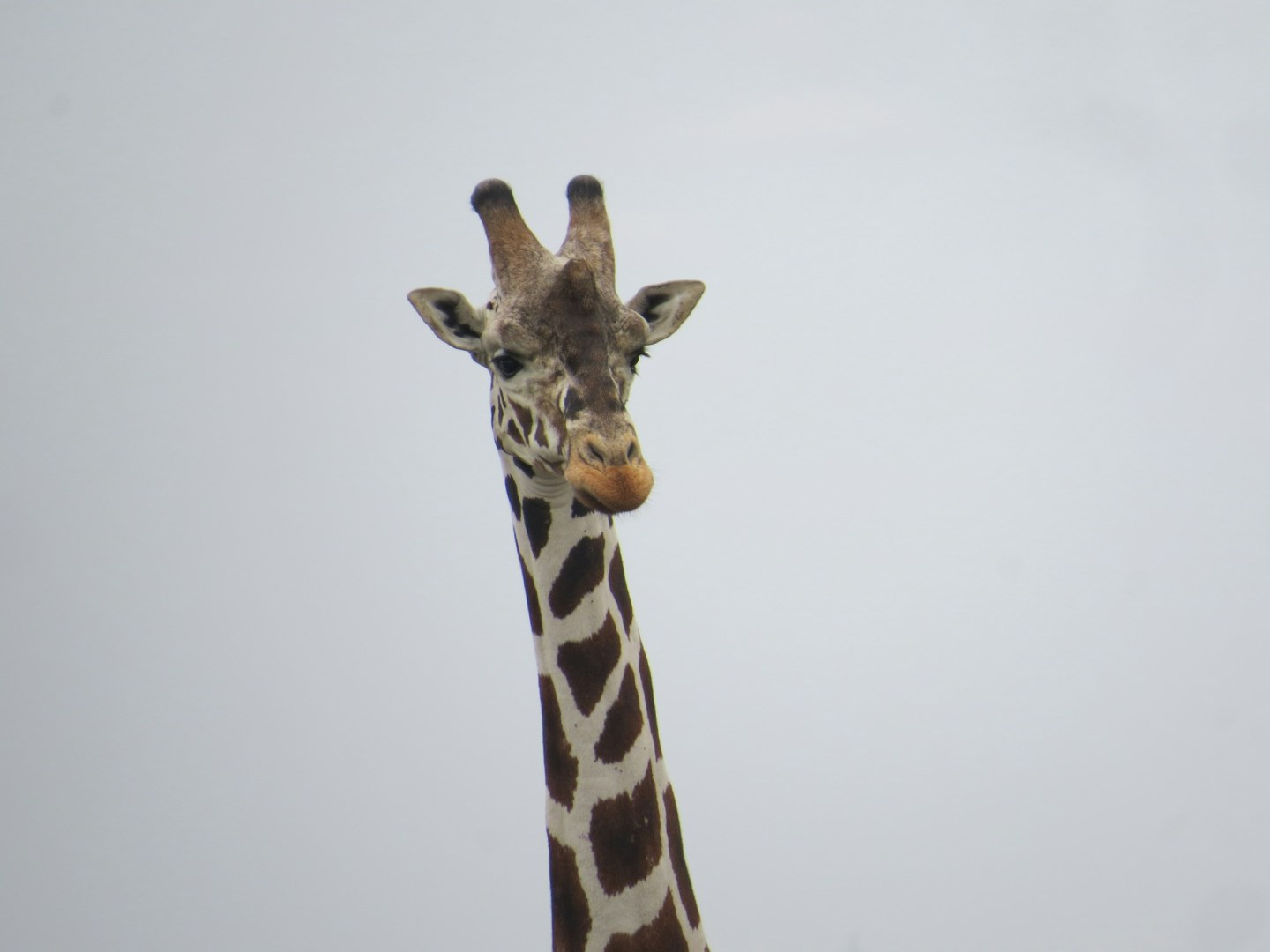
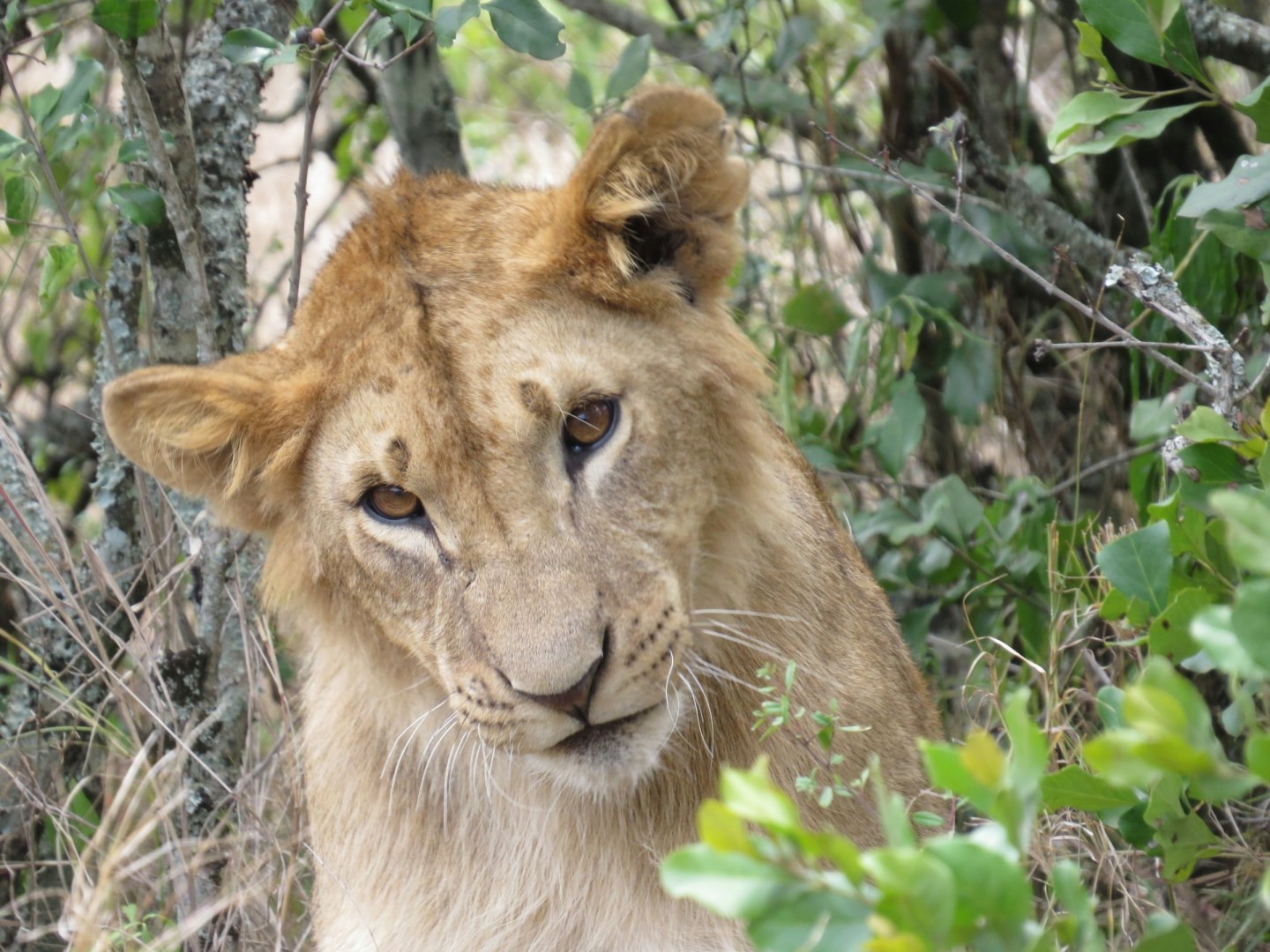
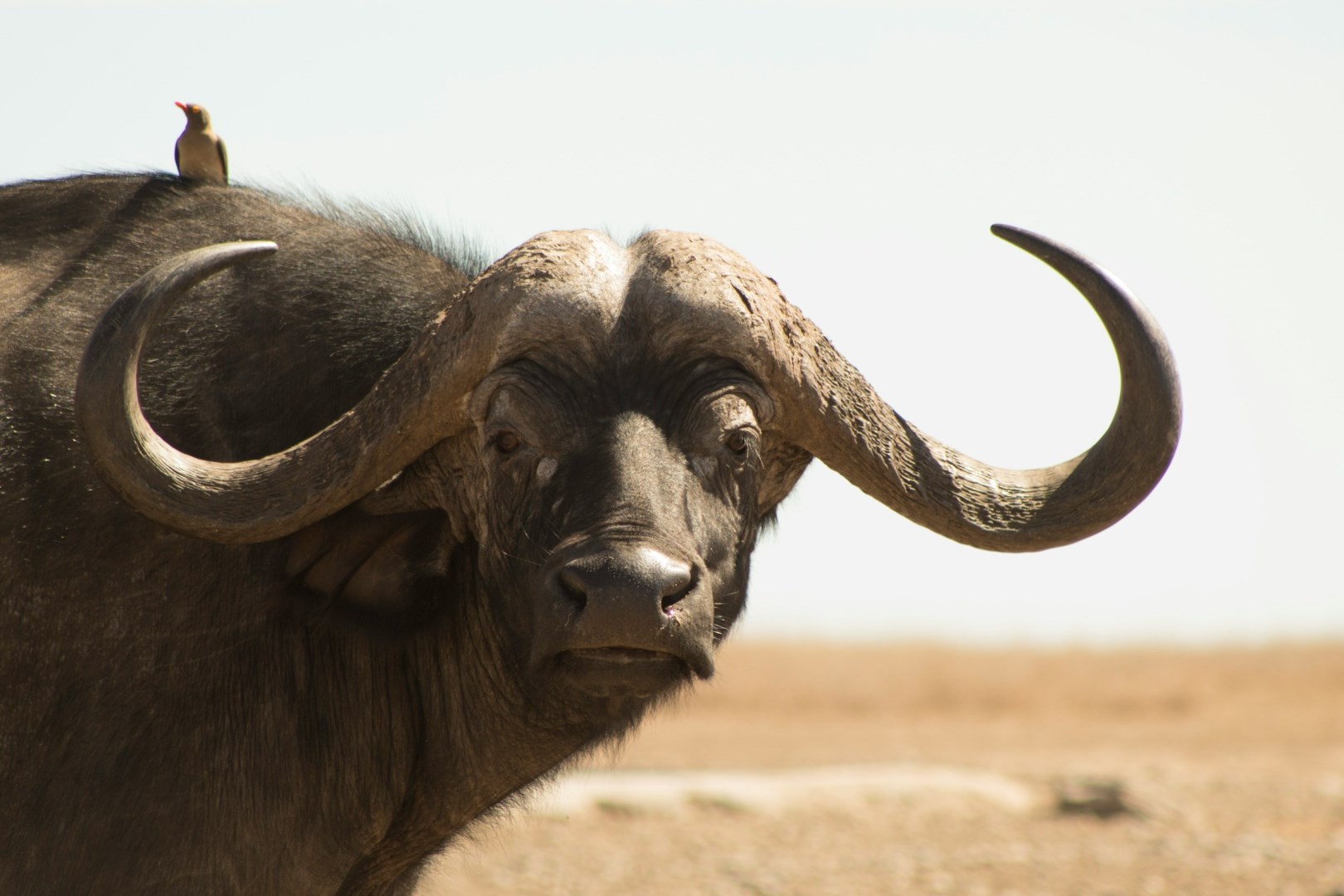
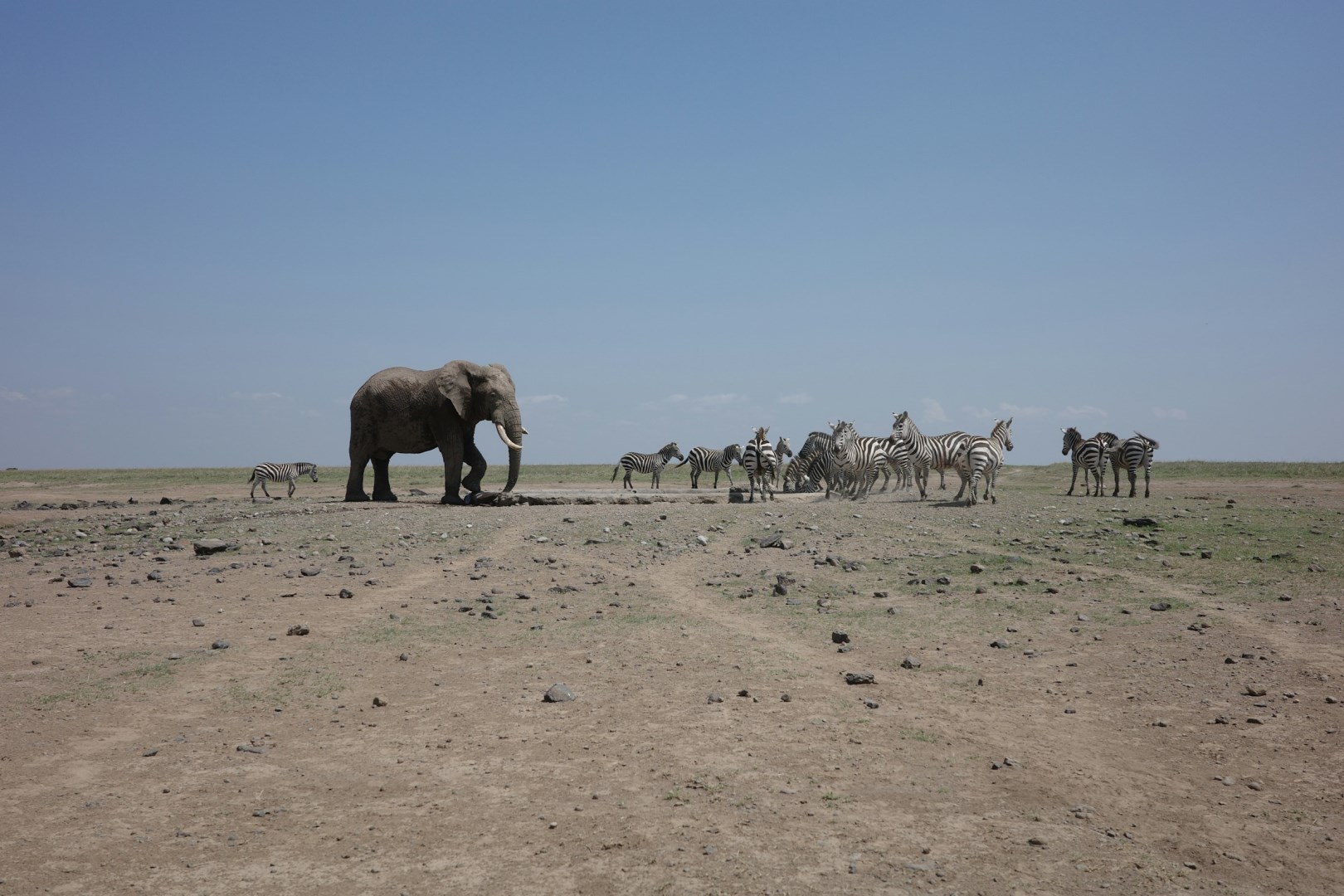
Ol Pejeta Conservancy lies in Kenya’s Laikipia region near Nanyuki, overlooking Mount Kenya and the Aberdare ranges. Covering about 90,000 acres, it combines wildlife conservation, cattle ranching, tourism, and community development within one managed landscape. The conservancy is particularly known for its work protecting rhinos and other threatened species. Its open grasslands, wooded areas, and river habitats support elephants, lions, zebras, giraffes, and many other animals. This approach makes Ol Pejeta distinctive among Kenya’s wildlife areas, as conservation is closely linked with land management and the livelihoods of surrounding communities.
Ol Pejeta developed from a working cattle ranch into a conservation area that places wildlife protection alongside sustainable land use. Its conservation work includes extensive ranger operations, wildlife monitoring, veterinary care, and partnerships with local communities. The conservancy is especially significant for rhino protection, with one of the largest populations of black rhinos in East and Central Africa. It also supports the Sweetwaters Chimpanzee Sanctuary, which provides lifelong care for chimpanzees rescued from the illegal wildlife trade. Chimpanzees are not native to Kenya, making the sanctuary an unusual part of the country’s conservation landscape.
The conservancy provides several notable wildlife experiences, including opportunities to see black and southern white rhinos, elephants, lions, cheetahs, zebras, and other plains species. The Sweetwaters Chimpanzee Sanctuary offers a different setting, with rescued chimpanzees living in large natural enclosures separated by the Ewaso Nyiro River. Ol Pejeta is also home to Najin and Fatu, the world’s last two northern white rhinos, which are protected under intensive care and security. Guided bush walks and bird walks provide another way to explore the landscape, while views toward Mount Kenya give the wider setting a distinctive geographic character.
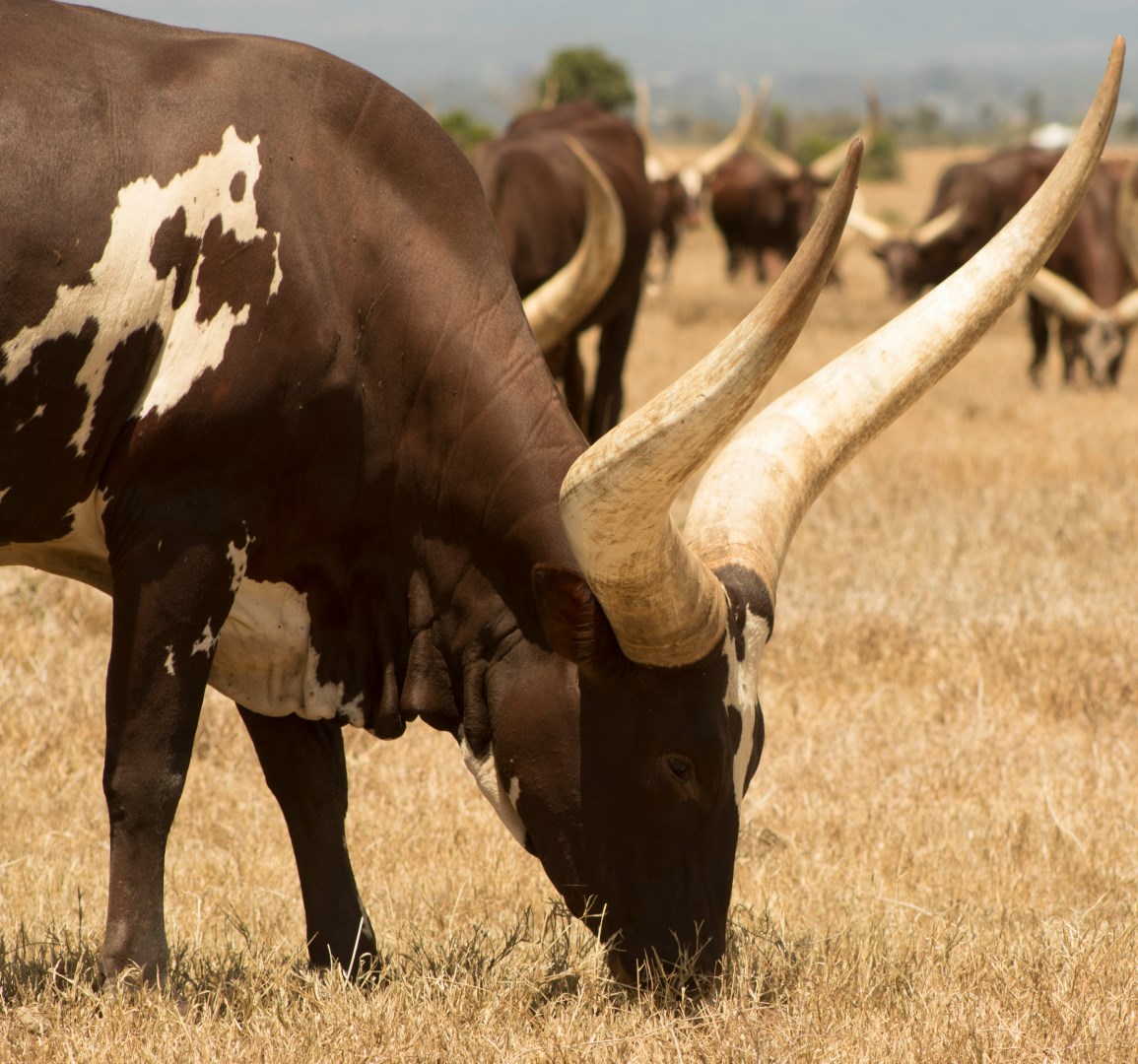
Ol Pejeta also stands out for its integration of livestock into conservation management. Its Boran cattle are managed as an ecological tool, helping maintain grassland conditions while supporting the conservancy’s wider operations. The area’s conservation model connects tourism and commercial activities with wildlife protection and community development, allowing revenue from the landscape to contribute to its management. Beyond the wildlife, the conservancy offers an opportunity to understand how cattle ranching, habitat management, anti-poaching work, scientific research, and endangered-species protection can operate together within a single Kenyan landscape.

