570-250-8076
570-250-8076

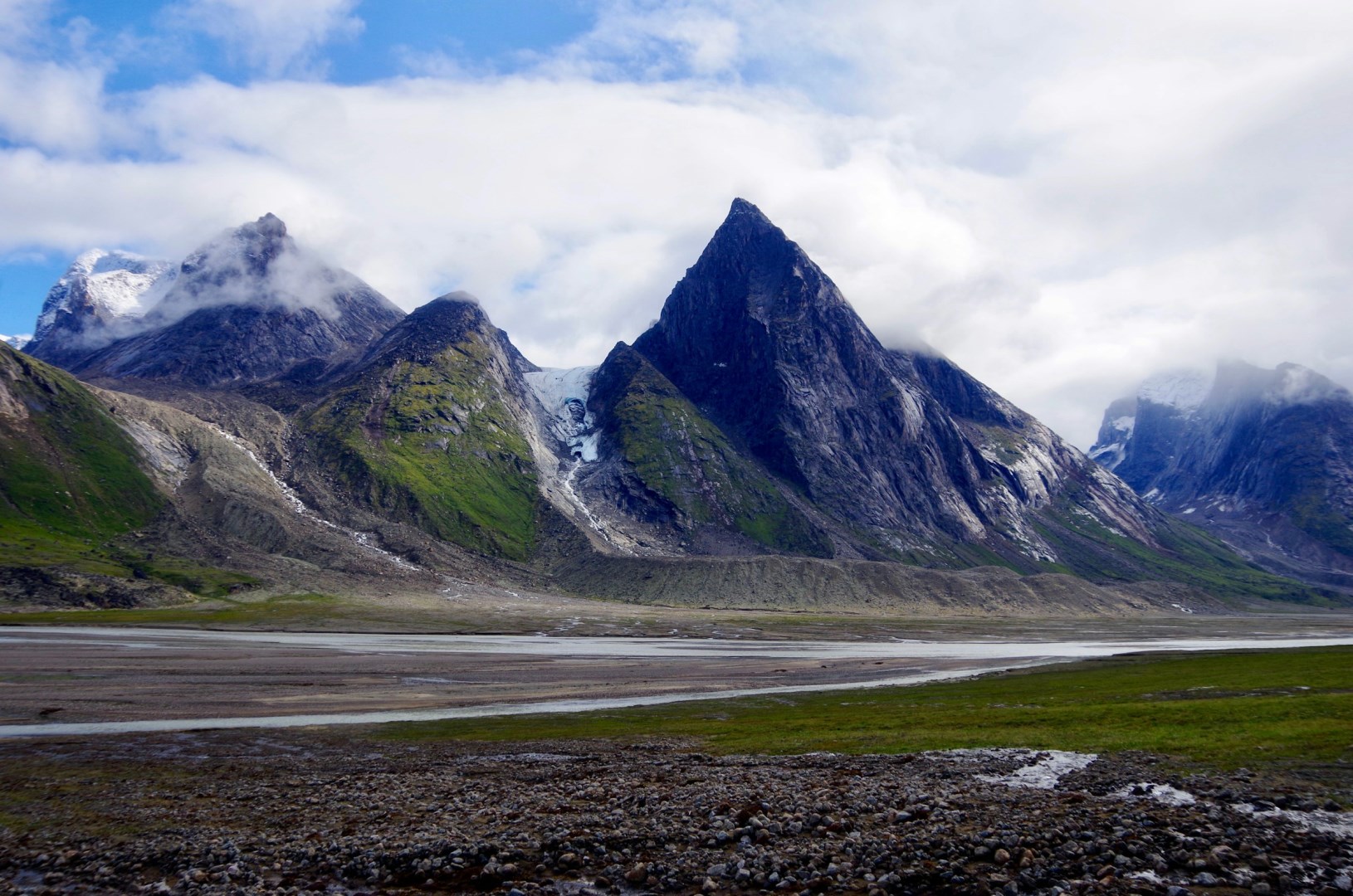
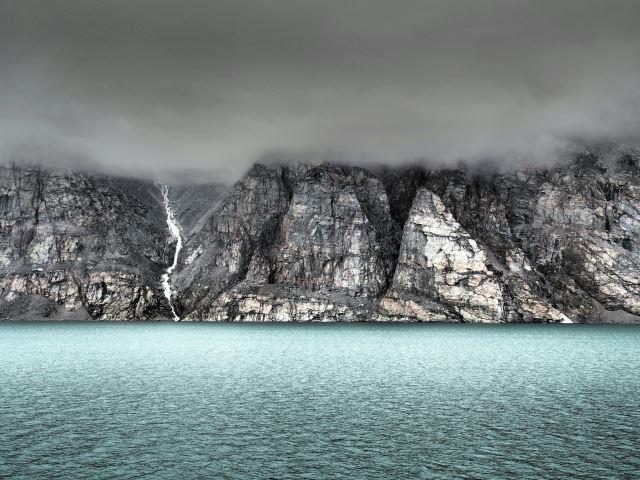
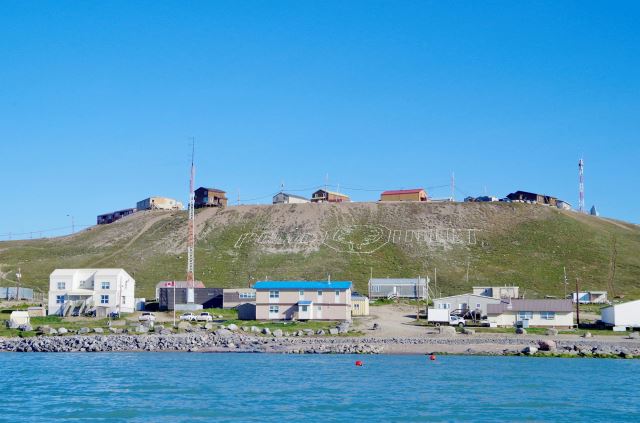
Auyuittuq National Park is a vast protected landscape on southeastern Baffin Island in Nunavut, extending between the communities of Pangnirtung and Qikiqtarjuaq. Its name means “land that never melts” in Inuktitut, reflecting the park's extensive ice and snow. Towering granite peaks, deep fjords, glaciers, rivers, and tundra dominate the landscape, while the Penny Ice Cap covers a large section of the interior. The park lies across the Arctic Circle and includes a transition between High Arctic and Low Arctic ecosystems, creating a landscape shaped by ice, water, wind, and seasonal change.
Auyuittuq has a long history of Inuit use, with archaeological evidence showing human occupation of the region stretching back thousands of years. Inuit continue to travel through the park for cultural activities, harvesting, and family journeys, drawing on detailed knowledge of sea ice, weather, wildlife, and terrain. Inuit Qaujimajatuqangit, or Inuit traditional knowledge, is incorporated into the park's cooperative management with Parks Canada. The surrounding communities also provide opportunities to learn about Inuit carving, printmaking, weaving, local games, and food traditions. The park's cultural landscape therefore remains a living part of Inuit life rather than simply an archaeological record.
Akshayuk Pass is the park's best-known travel corridor, extending through a dramatic valley of mountains, glaciers, rivers, and lakes. Hiking, skiing, snowshoeing, climbing, and mountaineering provide ways to explore the terrain, while guided trips can reach locations such as Ulu Peak and the Arctic Circle. Thor Peak and Asgard Mountain are among the area's prominent landmarks. Deep fjords along the coast support marine wildlife, while the wider park provides habitat for caribou, Arctic foxes, polar bears, seals, narwhals, beluga whales, walrus, and numerous Arctic bird species. The rugged terrain requires careful preparation and experienced travel.
Arctic char is an important local food associated with the fiords and freshwater systems around Auyuittuq, while Inuit harvesting traditions also include seal, caribou, and other country foods. In nearby Pangnirtung and Qikiqtarjuaq, visitors can encounter locally produced carvings, textiles, and prints that reflect the region's artistic traditions. One of Auyuittuq's most distinctive features is the close relationship between ice and water: meltwater from the Penny Ice Cap and other glaciers feeds rivers and streams that cross the valleys before reaching the fjords. This connection makes the park a clear example of how Arctic ice shapes both the landscape and the ecosystems around it.