
570-250-8076
570-250-8076

Gaspésie National Park lies in the heart of Quebec's Gaspé Peninsula, protecting more than 800 square kilometres of mountains, forests, rivers, and alpine environments. The park encompasses parts of the Chic-Choc and McGerrigle mountain ranges, including more than 25 peaks rising above 1,000 metres. Its high elevations create landscapes that differ sharply from the surrounding valleys, with dense forests giving way to open subalpine terrain and tundra. The park is known for its mountain scenery, extensive hiking network, and protected habitat for the Gaspésie caribou.
The park's cultural identity is connected to the broader history of the Gaspé Peninsula, where Indigenous peoples have longstanding relationships with the mountains, rivers, and wildlife. Today, interpretation programs at the park explain its natural and cultural heritage and the importance of conservation. The International Appalachian Trail also crosses the park, linking the landscape to a much larger mountain route through the Appalachian region. The park's protected status has helped preserve unusual high-elevation environments and rare plant communities, while research and visitor programs continue to support understanding of the area's ecology.
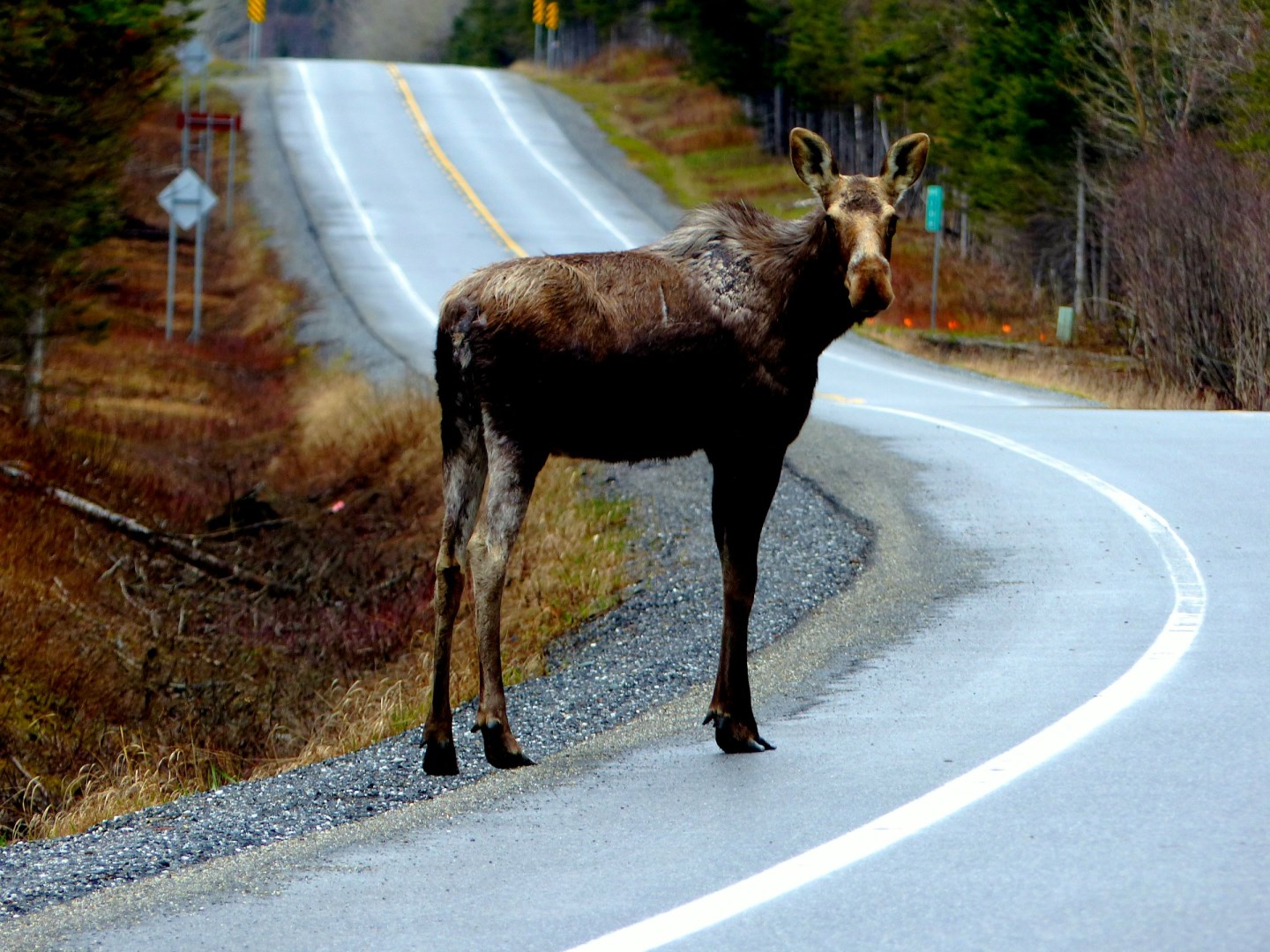
Mount Albert and Mount Jacques-Cartier are among the park's best-known landmarks. Mount Jacques-Cartier reaches 1,270 metres and contains alpine tundra, exposed rock fields, and other features more commonly associated with northern Quebec. The Lac-aux-Américains trail leads to a glacial cirque surrounded by steep mountain slopes, while Mount Ernest-Laforce provides another route to elevated views. Wildlife includes moose, white-tailed deer, black bears, and the protected Gaspésie caribou herd. Rivers and lakes support brook trout, lake trout, Arctic char, and Atlantic salmon, adding aquatic habitats to the park's mountain ecosystems.
Food within and around the park reflects the wider Gaspésie region, where seafood, salmon, trout, wild berries, maple products, and locally produced foods are common. Visitors staying in the park can find accommodations ranging from campsites and rustic shelters to cabins and the Gîte du Mont-Albert. One distinctive feature of Gaspésie National Park is the close succession of ecological zones encountered while gaining elevation: forests give way to subalpine vegetation and then alpine tundra. This compressed transition allows northern plant communities to occur unusually far south, making the park an important area for ecological conservation.

